Sector
Loading page
Business

Woolworths profit rises as Food gains offset continued fashion pressure

Woolworths has reported improved full-year profitability, with continued strength in its South African Food business helping offset a more difficult trading environment in fashion and its Australian operations.

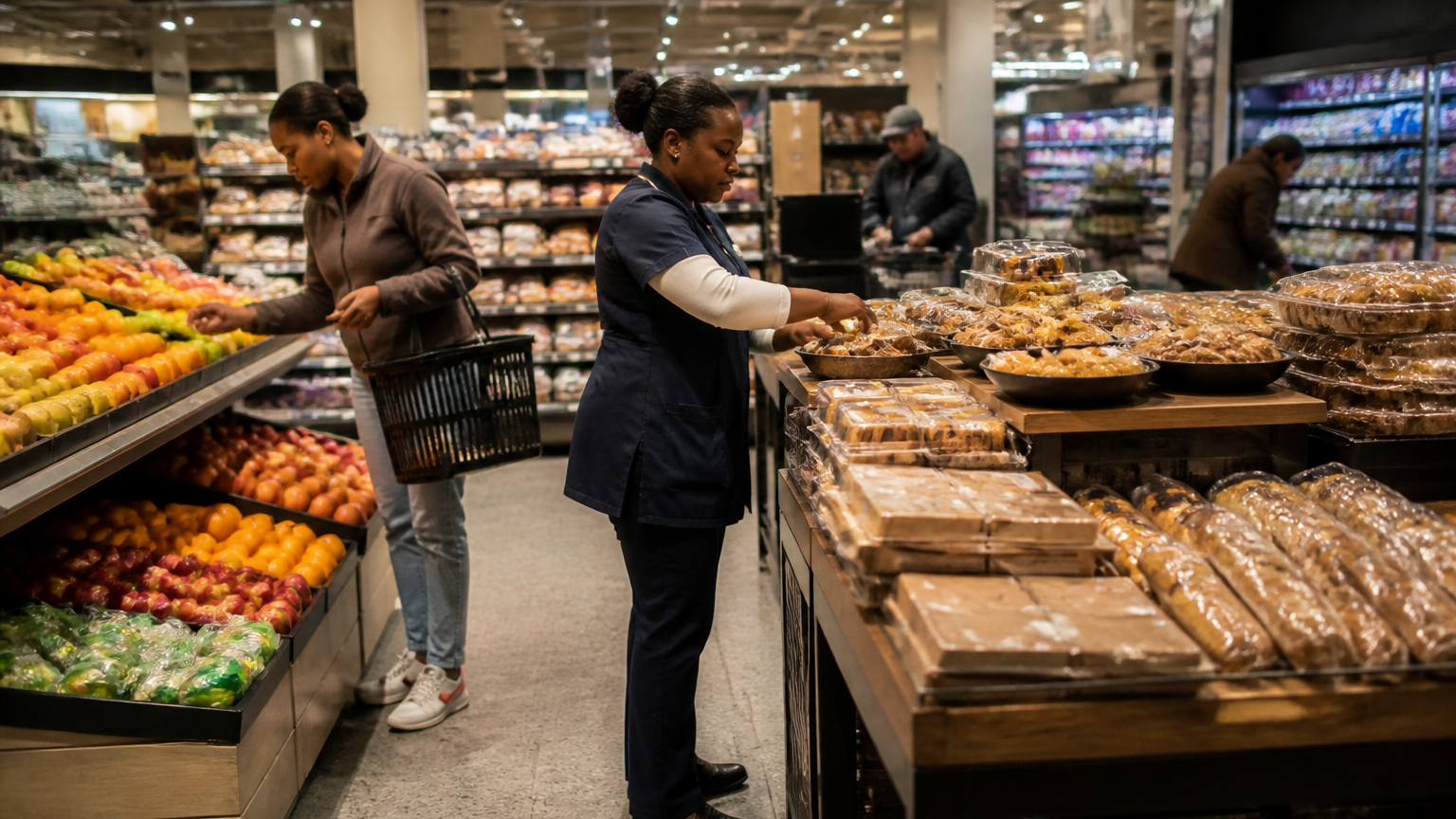
A modern South African premium supermarket food hall with shoppers, fresh produce displays and staff working under natural retail lighting.

Woolworths Holdings' latest annual results reinforce a pattern that has become increasingly important for the retailer: Food remains the group's strongest operating engine.

The JSE-listed retailer reported its latest full-year numbers on Wednesday, 2 September, giving investors a fresh assessment of consumer conditions across its South African and Australian businesses.

Food remains the anchor

Woolworths Food has built a differentiated position in the South African grocery market around quality, convenience, fresh food and private-label products.

That positioning matters because the country's grocery market remains intensely competitive. Large retailers continue investing heavily in stores, pricing, loyalty programmes, online delivery and distribution infrastructure.

For Woolworths, maintaining Food's momentum provides the group with an important earnings buffer when other divisions encounter weaker demand.

The business also has substantial economic reach. Its supply network includes South African farmers, food manufacturers, logistics providers, packaging companies and property owners.

Fashion remains a harder problem

The contrast with discretionary retail is important.

Clothing and general merchandise are more exposed to household confidence because consumers can delay replacing apparel when finances are tight. Retailers must simultaneously manage fashion risk, inventory levels, markdowns and competition from both domestic and international brands.

That makes improvements in product, sourcing and inventory discipline particularly important.

Australian exposure adds another variable

Woolworths' international operations expose shareholders to a different consumer cycle and currency environment.

Country Road Group has been undergoing significant change, meaning investors will continue assessing whether restructuring and strategic adjustments can restore sustainable profitability.

The Australian business also demonstrates the complexity of international expansion. Geographic diversification can reduce dependence on one economy, but it adds execution and management challenges.

What it means for South African suppliers

Woolworths' Food performance has implications throughout its local supply chain.

A retailer focused on premium fresh and prepared foods requires consistent quality, traceability, reliable cold-chain logistics and dependable production.

For agricultural producers and manufacturers capable of meeting those requirements, continued growth can create opportunities for additional volume and longer-term supply relationships.

Why it matters

Woolworths' results provide another useful measure of South African household behaviour.

The divergence between resilient food demand and more difficult discretionary categories suggests consumers remain willing to spend selectively but continue scrutinising non-essential purchases.

For investors, Food's ability to keep growing while management addresses weaker parts of the portfolio will remain central to the Woolworths investment case.