

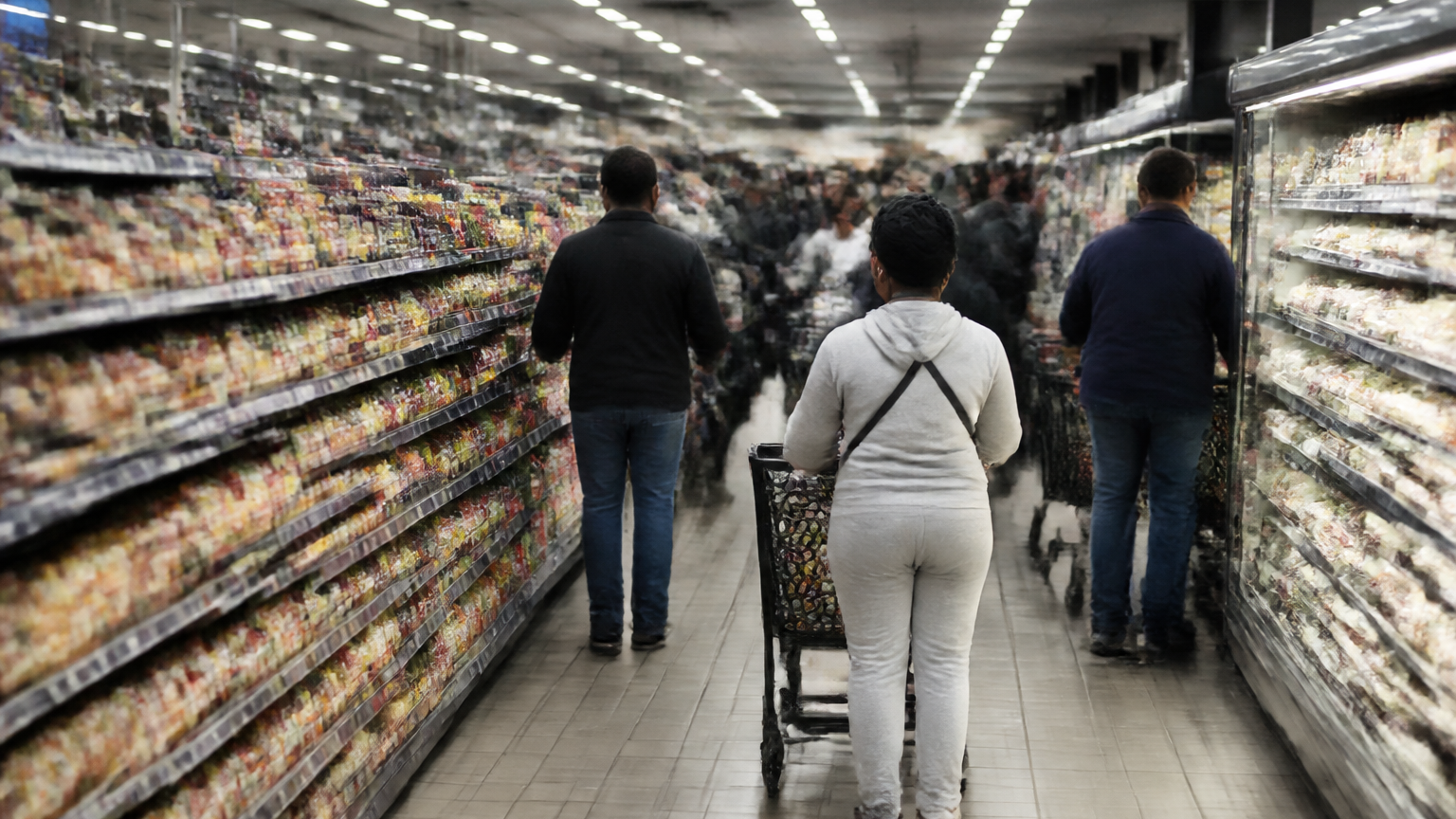
Shoprite Holdings has reported an 8.6% increase in annual sales to R274.6 billion for the year ended 28 June 2026, extending the growth of Africa's largest supermarket group.
The results, released on 1 September, showed that the group's core South African supermarket business continued to underpin performance, with sales from supermarkets in South Africa increasing 8.9%.
South African grocery market remains the engine
Shoprite's domestic scale gives its results significance well beyond the company itself.
Its stores sit at the end of a large supply network connecting food manufacturers, farmers, consumer-goods companies, transport operators, property owners, technology providers and thousands of smaller suppliers.
Continued sales growth therefore provides a useful indicator of activity across a substantial portion of South Africa's consumer economy.
Shoprite's ability to keep expanding sales also comes in an environment where households remain highly price conscious. Grocery retailers have had to compete aggressively on price, promotions, convenience and store formats while dealing with operating costs of their own.
Scale remains a major competitive advantage
The group's extensive store network and purchasing power remain important advantages in a retail market where margins are closely contested.
Large volumes allow supermarket operators to spread logistics, technology and distribution costs over a broad revenue base. They can also negotiate at scale with suppliers and invest heavily in distribution infrastructure.
That is increasingly important as competition extends beyond traditional supermarkets. Consumers can now move between discount formats, premium stores, online delivery platforms and informal retailers depending on price and convenience.
A signal for suppliers
For South African manufacturers and agricultural suppliers, Shoprite's continued growth is commercially significant.