Sector
Post Free Listing
Business

SARS begins registration drive for standalone diesel refund system

South Africa's diesel-refund regime is moving away from its traditional VAT-linked administration, with both qualifying users and diesel sellers required to register under a new SARS system.

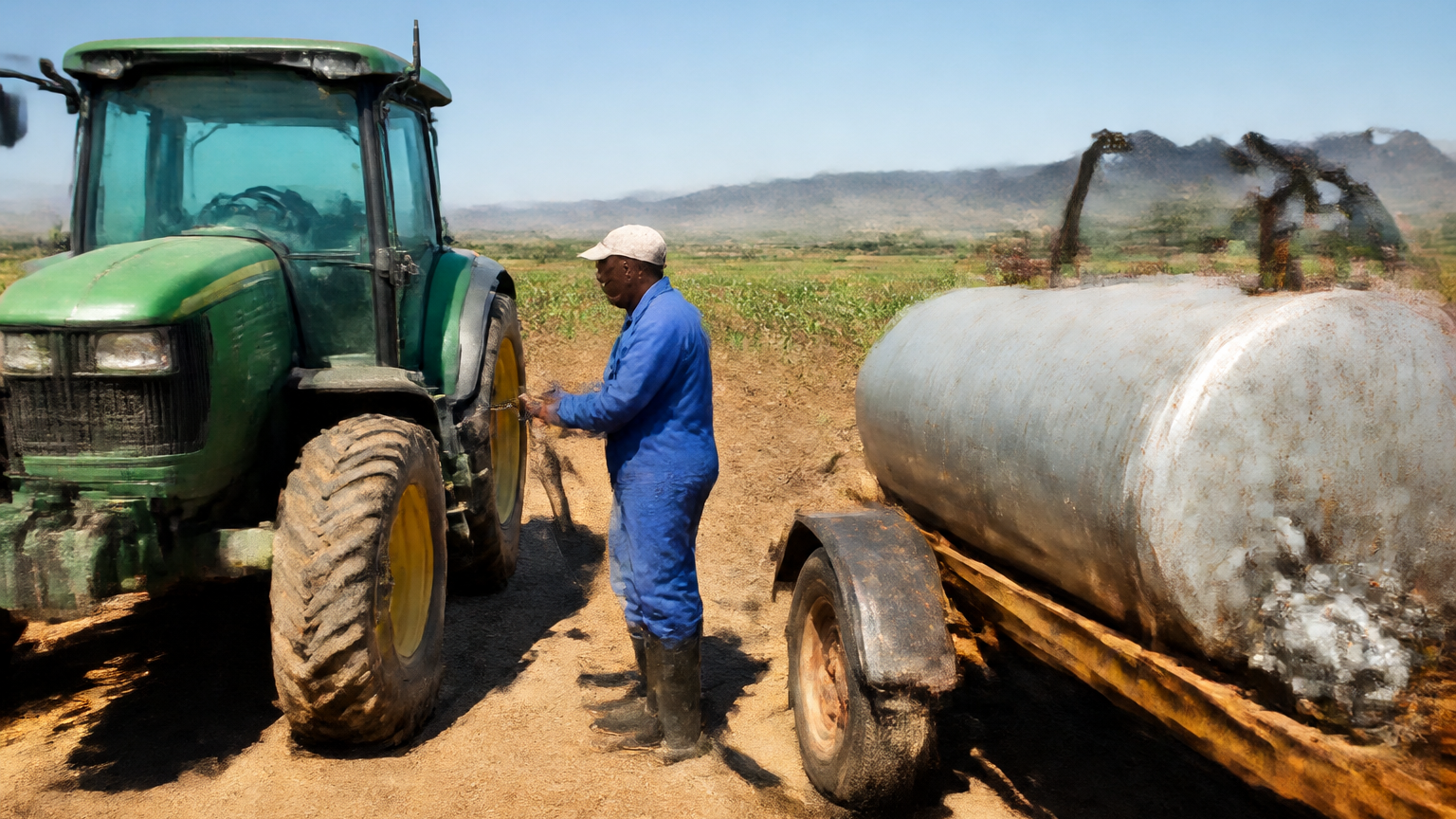
A farm worker refuels agricultural machinery on a South African farm.

A significant change for fuel-intensive industries

South African businesses that rely on the diesel-refund scheme face an important administrative change as SARS begins registration for a new standalone refund system.

Registration starts on 21 September and forms part of the revenue authority's wider excise-modernisation programme.

The new system is being developed separately from the VAT framework through which diesel refunds have traditionally been administered.

The biggest practical change is that both diesel users and diesel sellers will need to register.

Under the existing approach, the emphasis has largely been on qualifying users. Under the new framework, a claim for fuel purchased from an unregistered seller will not qualify for a refund.

That creates a new compliance dependency between buyers and suppliers.

Who is affected?

Diesel refunds are especially relevant to industries that use significant quantities of fuel in qualifying non-road activities.

Agriculture is among the most visible beneficiaries, but the regime also matters to other eligible sectors where diesel is a substantial operating input.

For those businesses, refunds can materially affect the effective fuel cost of running tractors, machinery and other equipment.

The new system therefore has consequences beyond tax administration.

Businesses will need to ensure that procurement teams, finance departments and operating managers understand which suppliers are properly registered and which purchases meet the rules.

A valid invoice alone may no longer be enough to protect a claim if the seller's registration status is not in order.

SARS seeks better visibility

Moving the refund process into a standalone platform could allow SARS to obtain a clearer picture of transactions between sellers and qualifying users.

Tax specialists cited in current reporting have said a separate system could, in principle, simplify administration and improve visibility over registrations and claims.

That visibility can benefit legitimate claimants if it reduces uncertainty and improves processing.

It can also make discrepancies easier for SARS to identify.

The trade-off is likely to be more structured compliance at the point where diesel changes hands.

Businesses should review suppliers

For companies that regularly claim diesel refunds, the immediate issue is not simply whether the company itself is registered.

Businesses should begin checking their supply chains.

That could include confirming which vendors provide qualifying diesel, obtaining evidence of supplier registration and updating procurement controls so that fuel bought from a non-compliant seller is identified before a claim is submitted.

For large agricultural businesses, mines or contractors with multiple depots and fuel suppliers, the administrative exercise could be substantial.

Smaller operators may face a different challenge if their preferred local supplier has not yet completed the new registration process.

Why it matters

Fuel is a major operating cost across South Africa's productive economy.

In farming, logistics-linked operations and other fuel-intensive activities, even modest changes in the effective diesel price can affect margins.

The refund mechanism exists because qualifying off-road users pay levies embedded in the pump price even though the fuel is not necessarily consumed on public roads.

Changing the administration of the scheme therefore has real cash-flow implications.

A more transparent digital regime could ultimately improve the integrity of the refund system, but the transition creates compliance risk.

Businesses that fail to re-register or continue purchasing from sellers that have not registered could find otherwise expected refunds disallowed.

For finance teams, the safest approach is to treat the rollout as a supply-chain and tax-control project rather than a once-off SARS formality.